Loading your feed…
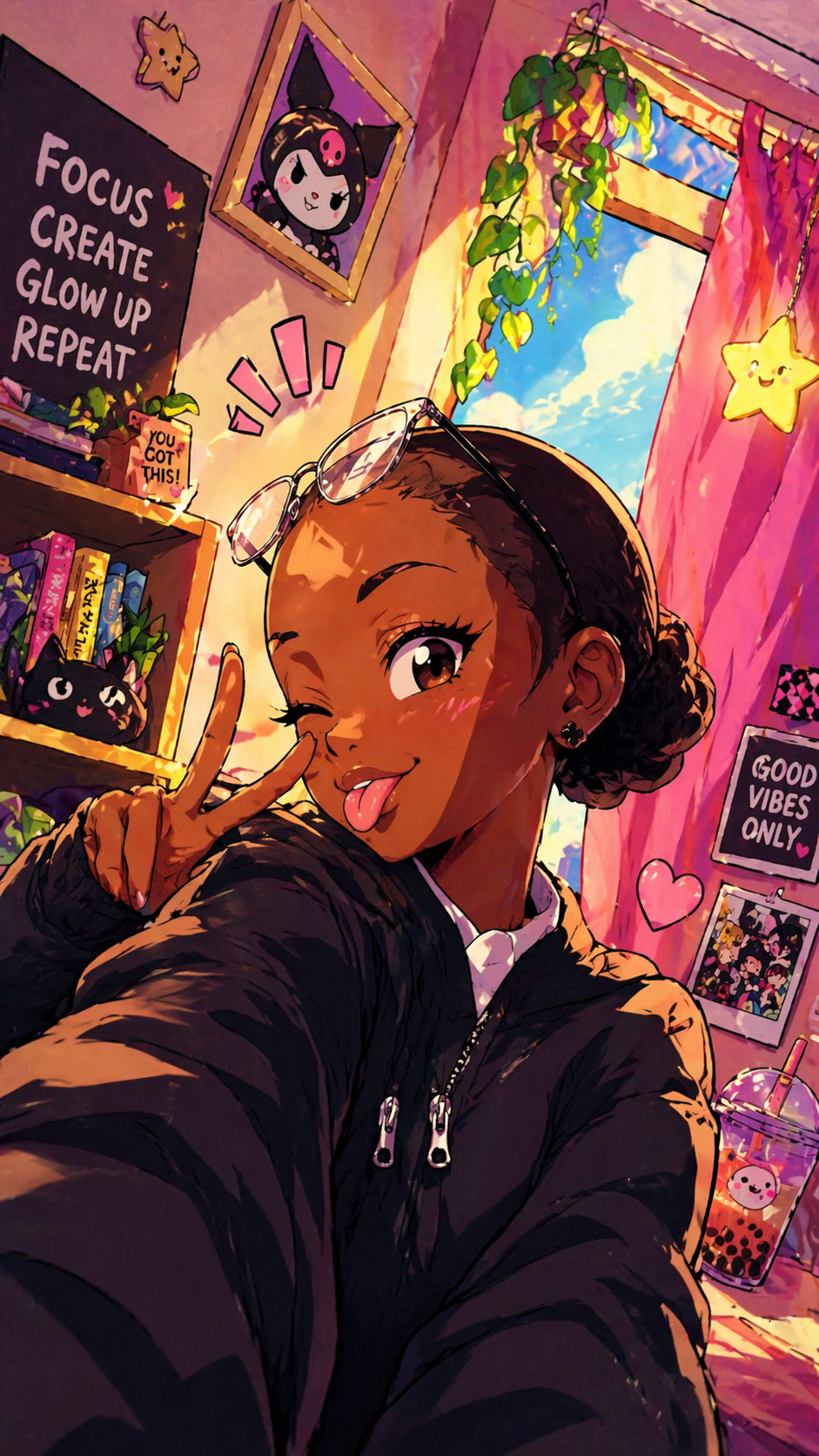
"She is a woman."
Four words.
Simple.
Ordinary.
Familiar.
Yet for centuries, they have been used to build invisible walls around visible lives.
"Cook. She is a woman."
"Clean. She is a woman."
"Endure. She is a woman."
"Be quiet. She is a woman."
"Know your place. She is a woman."
Somewhere along the way, womanhood became a justification for limitation. Her dreams were measured by the walls of a kitchen. Her intelligence was overshadowed by expectations of domesticity. Her worth was weighed by how much she could sacrifice and how little she complained.
Across many African societies, and in different ways across the world, women have carried burdens they never chose. They have been denied education, denied opportunities, denied inheritance, denied leadership, not because they lacked ability, but because they were women.
Even where doors have opened, many still walk through them with resistance pressing against their backs.
A widow mourns her husband, yet finds herself forced to prove her innocence. She is stripped not only of companionship but, at times, of dignity. Harmful widowhood practices, dispossession, and accusations have stolen from countless women what grief had already taken. A capable employee watches promotion pass her by because someone believes leadership wears a man's face. A young girl learns that her opinions matter less than her obedience simply because she was born female.
And when a woman finally reaches the heights she was always capable of reaching, the world applauds as though it has witnessed an impossibility.
But it was never impossible.
It was only postponed.
A woman was never created to be invisible.
She was created with purpose.
She is not merely the keeper of a home; she is a builder of generations.
She is not merely a helper; she is a leader.
She is not merely gentle; she is courageous.
She is not merely beautiful; she is brilliant.
She is resilient enough to survive storms and compassionate enough to become shelter for others. She carries wisdom, strength, vision, and hope in ways that continue to shape families, communities, nations, and history itself. To honour a woman is not to diminish a man. It is to recognize the dignity that has always belonged to her.
So let us stop using her gender as a reason to silence her voice, limit her dreams, or question her worth.
Because those four words were never meant to be chains. They were always meant to be a declaration.
She is a woman.
And somehow, those four words became a reason to silence her, limit her, and define the borders of her life.
Yet those same four words can also become a declaration of strength, purpose, wisdom, and dignity.
She is a woman.
And that has never been her weakness.
It has always been her power.
This is beautiful. It embodies every part of womanhood. Real womanhood, not the facade created by the world!
This is a masterpiece✨ A woman was never meant to be invisible. Thank you for sharing