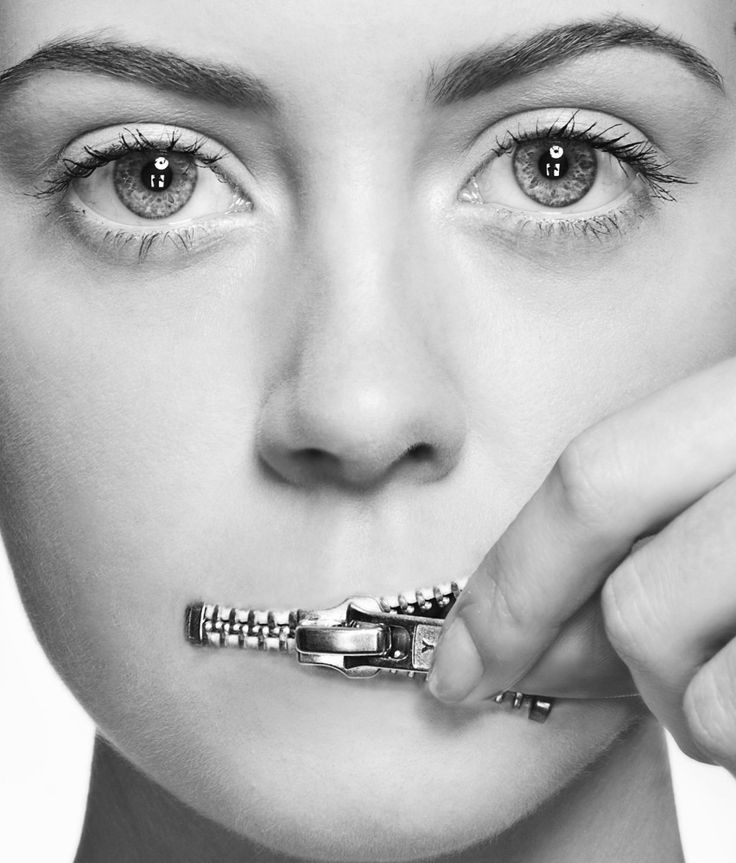
When we hear the word misogyny, the first image that often comes to mind is a man belittling a woman, undermining her abilities, controlling her choices, or treating her as though her gender makes her inferior.
And honestly, that image is not unfounded.
Misogyny has existed for centuries, woven into social structures, traditions, institutions, and everyday interactions. Women have been told they are too emotional to lead, too ambitious to be desirable, too outspoken to be respected, or too independent to be “proper” women.
Men can absolutely be misogynistic.
But here is the uncomfortable part of the conversation:
Women can be misogynistic too.
Yes. Women.
And before the eyebrows go up and the defensive fingers start typing, this is not an attempt to excuse men, shift the blame onto women, or pretend that misogyny does not disproportionately affect women.
It is simply a recognition that misogyny has no gender.
Misogyny is prejudice, contempt, hostility, or deeply rooted discrimination against women because they are women. And prejudice does not suddenly become acceptable because it comes from someone who belongs to the same gender being targeted.
A man who tells a woman that she is incapable of leadership because she is a woman is misogynistic.
But a woman who tells another woman that she is incapable of leadership because “women are too emotional” is reinforcing the same misogyny.
A man who believes a woman's place is exclusively in the home is misogynistic.
But what happens when a woman tells another woman, “You are a woman. Your duty is to cook and clean”?
We need to ask ourselves why.
Why does being born female automatically come with a list of assigned responsibilities?
Why is a girl expected to learn how to cook because “she will become someone's wife,” while the boy in the same house is outside playing football?
Why is the girl told to wash the plates because she is a girl, while her brother sits down because “he is a boy”?
Why do we raise girls to become capable wives while sometimes raising boys without teaching them how to become capable human beings?
There is absolutely nothing wrong with teaching a girl how to cook.
There is nothing wrong with teaching her how to clean.
There is nothing wrong with teaching her responsibility, discipline, domestic skills, or independence.
But why should these lessons be exclusive to her?
Cooking is a life skill.
Cleaning is a life skill.
Taking care of a home is a life skill.
None of these skills have a gender.
The problem is not the broom.
The problem is the belief that the broom belongs in a woman's hands simply because she is a woman.
And this distinction matters.
Because sometimes, we confuse accountability with discrimination.
There is nothing misogynistic about telling a woman that she needs to do better.
There is nothing misogynistic about correcting a woman's behaviour.
There is nothing misogynistic about encouraging a woman to become responsible, hardworking, disciplined, or independent.
There is nothing misogynistic about wanting better for another woman.
The problem begins when her gender becomes the basis for her degradation.
“You are a woman, so you should know how to do this.”
“You are a woman, so you cannot behave like that.”
“You are a woman; your place is in the kitchen.”
“You are a woman; you should obey.”
“You are a woman, so your ambitions should come second.”
Those statements do not become harmless because they are spoken by another woman.
Sometimes, misogyny does not look like hatred.
Sometimes, it looks like tradition.
Sometimes, it looks like advice.
Sometimes, it sounds like concern.
Sometimes, it is passed down from a mother to her daughter.
And sometimes, it is a woman teaching another woman to accept the limitations that were once placed on her.
That is what makes internalised misogyny so complicated.
A woman can experience discrimination and still participate in the discrimination of other women.
She can be oppressed by a standard and then become an enforcer of that same standard.
She can be told that women are inferior and, instead of questioning the belief, learn to use it against other women.
And perhaps that is one of the most uncomfortable things about confronting misogyny: we have to look beyond the obvious perpetrator.
Yes, men need to examine their attitudes towards women.
Men need to question the jokes they make, the stereotypes they repeat, the behaviours they excuse, and the systems they benefit from.
But women need to examine themselves too.
Because supporting women does not mean defending every woman.
And holding women accountable does not mean degrading women.
There is a difference between saying, “You can do better,” and saying, “You are a woman, so you are naturally incapable of better.”
There is a difference between teaching responsibility and enforcing gender roles.
There is a difference between encouraging femininity and using femininity as a cage.
There is a difference between wanting women to grow and demanding that women conform.
And I think this is where the conversation should become bigger than men versus women.
Because perhaps the goal was never supposed to be finding someone to blame.
Perhaps the goal is to recognise the beliefs that have been handed to us and decide which ones deserve to survive.
I can stand for my gender.
I can advocate for women.
I can want women to succeed, to be respected, to be heard, and to have opportunities.
But standing for women should also mean being willing to tell women when the things we say or do hurt other women.
Because feminism without self-reflection can become performative.
And empowerment cannot mean empowering women while simultaneously tearing down other women who do not fit our idea of what a woman should be.
A woman should not have to prove that she is a “good woman” by becoming smaller.
She should not have to sacrifice her ambitions to be considered respectable.
She should not have to fit into a particular definition of femininity to deserve dignity.
And neither should another woman have to live by the same definition simply because we did.
Maybe the real uprising against misogyny is not just pointing fingers at men.
Maybe it is also questioning the things we have normalised.
The expectations we inherited.
The stereotypes we repeat.
The limitations we impose.
The words we casually use against other women.
The little ways we teach girls that their gender determines what they can be.
Because misogyny does not become less harmful because a woman says it.
Misogyny has no gender.
Men do it.
Surprisingly, women do it too.
And if we genuinely want to dismantle it, perhaps we have to stop asking only, “Who is doing this to women?”
And start asking:
“What have we learned to believe about women and why are we still teaching it to one another?”



No comments yet. Start the conversation.