Today, I decided not to go to the office. I needed a day to rest, read, and do some research. After I finished, I decided to unwind by watching a few movies. Four movies later, something caught my attention.
Across different genres and cultures, one theme kept appearing. Religion.
Whether through the presence of a priest, a mosque, a church, a shrine, or simply a moral dilemma rooted in faith, religion was woven into the story. At first, it seemed like a minor detail. Then I realized it wasn’t. Films do more than entertain. They preserve culture, shape public consciousness, and communicate values from one generation to another.
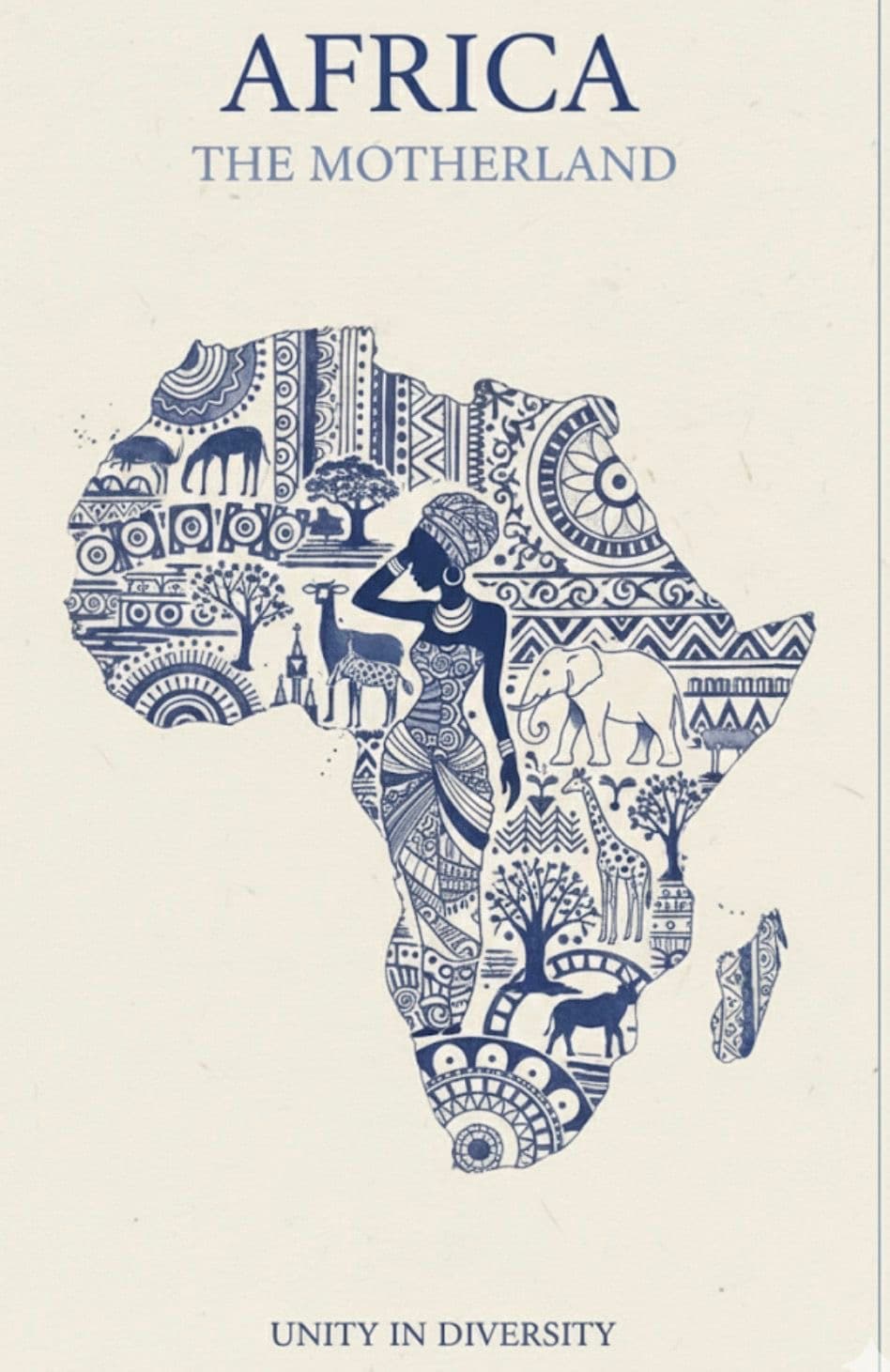
That observation led me to think about Africa.
Africa is arguably one of the most religious continents on earth. Religion influences our politics, our families, our education, our businesses, and even our daily conversations. In many ways, our moral vocabulary has been shaped by religion. Even those who identify as non-religious often inherit ethical principles that have religious origins.
This raises an important question.
Has religion advanced Africa, or has it hindered our development?
The answer depends on perspective.
Religion has undeniably contributed immensely to human civilization. Many philosophers, scientists, and scholars worked from deeply religious worldviews. Medieval universities emerged from religious institutions. Ideas about human dignity, justice, natural law, education, and charity were developed and preserved within religious traditions. Religion has inspired some of humanity’s greatest achievements.
Yet the African experience tells a more complicated story.
For many Africans, religion has gradually become less of a call to responsibility and more of an escape from it. Instead of inspiring action, it sometimes encourages passive dependence on divine intervention. Problems that demand planning, innovation, civic engagement, and accountability are too often surrendered entirely to God.
That is not necessarily the fault of religion itself.
Modern religious institutions arrived in many parts of Africa alongside colonial expansion, political domination, and cultural displacement. In numerous contexts, religion became intertwined with systems of control. While faith gave hope to many, it was also, at times, used to encourage obedience rather than critical engagement. This history continues to shape how religion is practiced today.
This observation is made without prejudice to any faith. No religion is immune from misuse, and none should be judged solely by those who distort its teachings.
The real question is not whether religion should disappear.
It should not.
The question is how religion can become a force that produces responsible citizens instead of passive spectators.
Reform begins with honesty.
Religious leaders should teach faith as a call to integrity, service, excellence, and justice, not as a means of exploitation or manipulation. Education should place greater emphasis on civic responsibility, constitutional values, critical thinking, and ethical leadership rather than treating religious instruction as a substitute for citizenship. We must also reject fanaticism in all its forms, because blind devotion has never built a prosperous society.
Faith and reason are not enemies. Spirituality and development can coexist. A people can pray and still plan. They can believe in miracles while building institutions. They can trust God while accepting responsibility for the future they seek.
I will end with this thought:
No God worthy of worship delights in the perpetual suffering, ignorance, or oppression of His people. Any faith that discourages responsibility instead of inspiring it deserves sincere reflection and meaningful reform.

No comments yet. Sign in to join the discussion.