Domestic abuse, can be a pattern of behavior in any relationship that is used to gain or maintain power and control over an intimate partner. Abuse is physical, sexual, emotional, economic or psychological actions or threats of actions that influence another person. This includes any behaviors that frighten, intimidate, terrorize, manipulate, hurt, humiliate, blame, injure, or wound someone. It can happen to anyone of any sex, religion, race , ethnicity and its is done by someone to intimidate, injure or demoralize another in other to assert power on the weaker person.
the home is often regarded as a place of love, comfort and security it it where families nurture, guide and protect one another, however it most times 8/10 the place where this abuse can start. behind closed doors countless women and children experience different forms of abuse that end up scaring the victims of the acts committed against the. This hidden reality is what we all know as domestic violence
Importance to the Campus Community
Domestic violence matters to the campus community because many university students are directly or indirectly affected by it. Some students come from abusive homes, while others experience violence in dating or intimate relationships. These experiences can lead to depression, anxiety, low self-esteem, substance abuse, poor concentration, absenteeism, and declining academic performance. In severe cases, victims may withdraw from school or suffer long-term psychological trauma which then dampen their perspective or view of the world; this experience paves way for them to also repeat this action unto others and envision it as the right approach because of how deeply rooted this acts have affected them and twisted their mentality
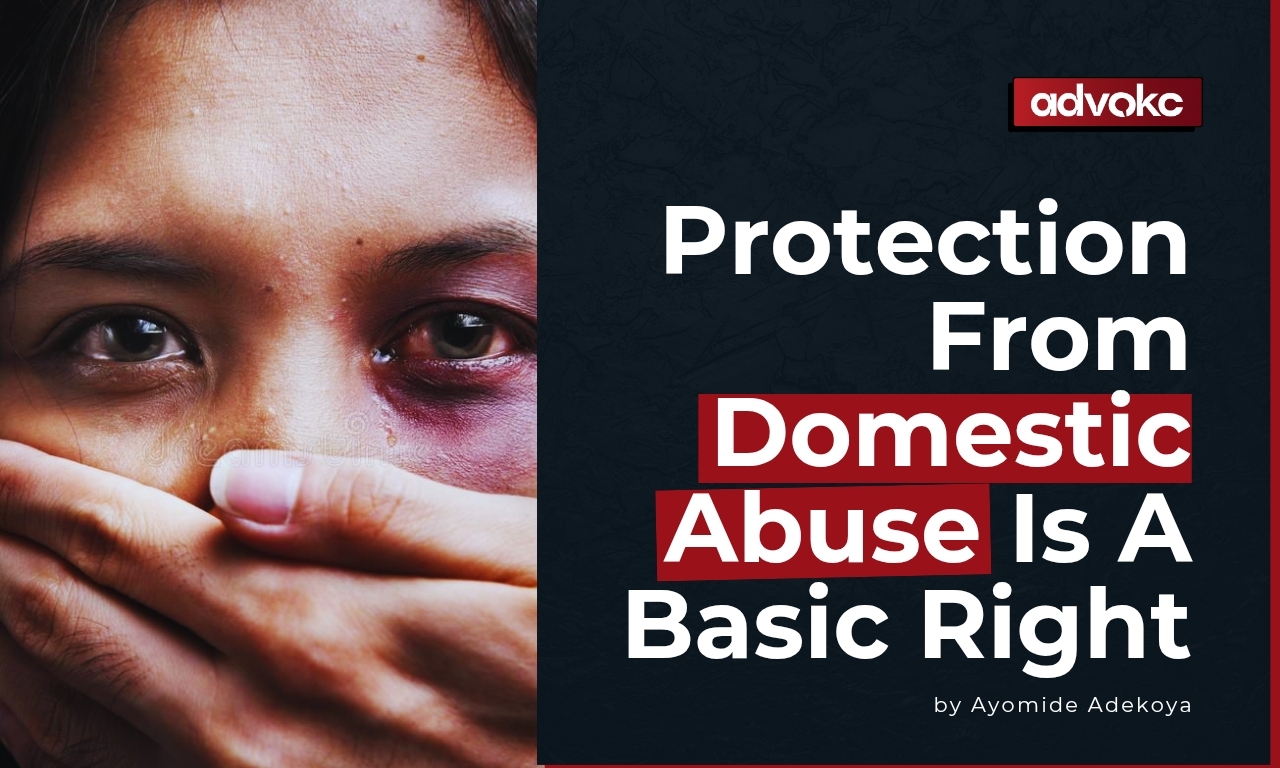
Violence within the home also reinforces gender inequality, perpetuates cycles of poverty, and exposes children to harmful behaviours that may continue into future generations. As a result, domestic violence affects not only individual families but also the stability and progress of entire communities.
Addressing domestic violence is therefore essential for achieving sustainable development, protecting human rights, promoting gender equality, and building peaceful societies across Africa. When families are safe and healthy, communities become stronger, educational outcomes improve, and nations are better positioned for long-term growth and development.
TYPES OF DOMESTIC VIOLENCE
Physical Abuse: This refers to any deliberate action that causes harm or injury to another person, such as hitting, kicking, beating, or employing physical force.
Psychological Abuse: This involves a recurring pattern of degrading or humiliating behavior towards a victim. It is the intentional infliction of emotional anguish, distress, or intimidation through verbal or non-verbal actions, as well as the denial of basic civil rights. This can include repeated insults, ridicule, name-calling, or threats aimed at causing emotional pain.
Sexual Abuse: This encompasses any abusive sexual behavior perpetrated by one person against another. It often involves the use of force or taking advantage of the victim. Examples include sexual assault, rape, or any unwanted physical contact of a sexual nature.
Economic Abuse: Also known as financial abuse, this refers to the unreasonable deprivation of economic or financial resources that a victim is entitled to under the law or requires for basic needs. It occurs when one intimate partner has control over the other partner’s access to economic resources, thereby diminishing their ability to support themselves and forcing them to depend on the perpetrator financially.
Conclusion
Domestic violence in the Nigerian household is a serious social problem that threatens the safety, dignity, and well-being of individuals and families. It goes beyond physical abuse, encompassing emotional, psychological, sexual, and economic violence that leaves lasting effects on victims and society. Despite existing laws and increased public awareness, many cases remain hidden due to fear, stigma, cultural beliefs, and inadequate support for survivors.
Ending domestic violence requires the collective efforts of families, communities, educational institutions, religious and traditional leaders, civil society organizations, and the government. Strengthening the enforcement of laws, promoting gender equality, providing support services for survivors, and educating the public about healthy relationships are essential steps toward breaking the cycle of abuse.
Ultimately, every Nigerian deserves to live in a home where love is expressed through respect, compassion, and mutual understanding rather than fear and violence. By refusing to remain silent and by working together to protect the vulnerable, Nigeria can build stronger families, safer communities, and a more just and peaceful society.
Can a nation truly prosper when violence exists behind the doors of its own homes?
Wow!! This is an intentional piece. I love love it.