Loading your feed…
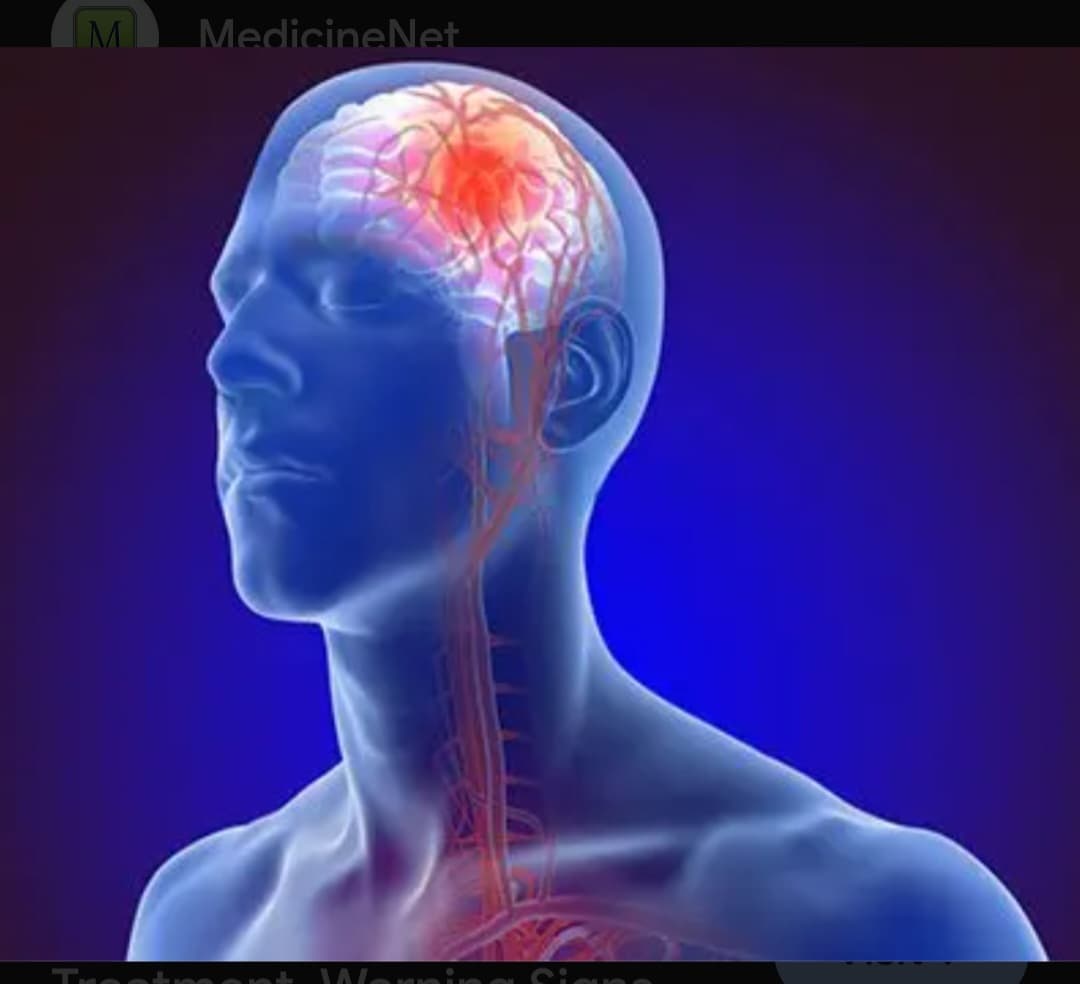
Stroke has several misconceptions surrounding it, especially in our society. Some of these beliefs have been passed down for generations, while others come from fear, misinformation or simply not knowing enough about the condition. And honestly, some of the things people believe about stroke can be dangerous because they may delay a patient from getting the medical help they urgently need.
I’d gladly clarify some of the common myths about stroke.
First, what exactly is a stroke?
A stroke is a condition which occurs when the blood supply to a part of the brain is interrupted, either because a blood vessel becomes blocked (ischaemic stroke) or because a blood vessel ruptures and causes bleeding in the brain (haemorrhagic stroke). In either case, brain cells can begin to become damaged because they are no longer receiving adequate oxygen and nutrients. This is why stroke is considered a medical emergency.
Now, let's talk about some of the misconceptions.
1. “Stroke is caused by witchcraft or spiritual attacks.”
This is one belief that is still held by some people. While spiritual beliefs are important to many individuals, medically, stroke has identifiable risk factors and causes which are;
• Hypertension (high blood pressure): It happens to be one of the most important risk factors.
Then we have other factors like diabetes, smoking, high cholesterol, obesity, physical inactivity and certain heart conditions.
2. “Stroke only happens to old people.”
Although the risk of stroke increases with age, younger people can also have strokes. Having certain medical conditions or risk factors can increase the possibility of stroke regardless of age.
3. “Once someone has a stroke, there is nothing that can be done.”
This is another dangerous misconception. Stroke treatment exists, and time matters. Some patients with ischaemic stroke may be eligible for treatments that restore blood flow to the brain, while haemorrhagic stroke requires different forms of management. The sooner the patient is assessed, the sooner appropriate treatment can begin.
Please don't wait for a while to see if a person gets better when they get a stroke! Sudden weakness or numbness of the face, arm or leg,difficulty in speaking, confusion, sudden vision problems or loss of balance can all be warning signs of stroke. These symptoms require urgent medical attention.
The reality is that stroke can happen to anyone and misinformation can sometimes be just as dangerous as the disease itself. Knowing the facts, recognising the warning signs and seeking medical care early can make a significant difference.
When it comes to stroke, don't let a myth cost someone their time or their life.
That witchcraft thing is a very common misconception!
This is very important, misconceptions about stroke have caused more problems for the people struggling with stroke and their families more damage than the actual illness. I am more impressed by the detailed yet simplified research into this topic. As a non-medical student, I understood it fully. Thank you so much for this.