
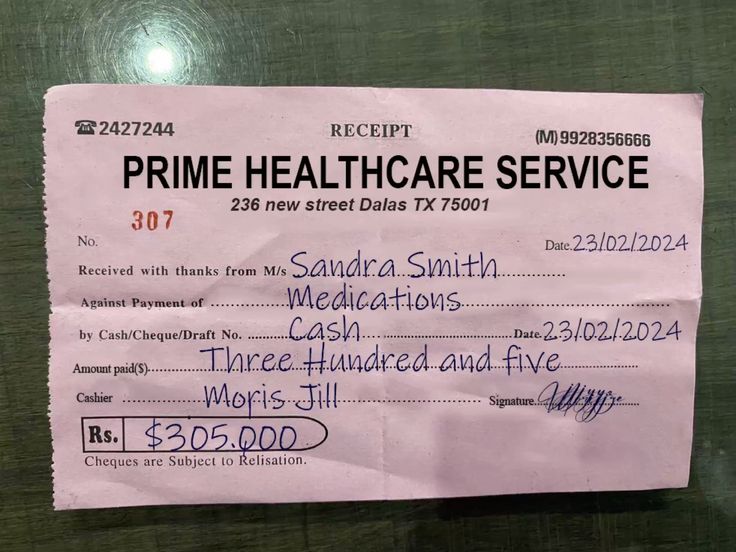
Imagne being sick in Nigeria today, and instead of being asked, “How do you feel?”, you are first asked, “Can you pay?”
That single question alone reveals the reality of the healthcare system in Nigeria.
Healthcare is meant to be a system built on compassion, humanity, and the preservation of life. But in Nigeria, quality treatment can sometimes seem to depend more on financial capability than medical urgency. From expensive medical bills to delayed treatment and the exploitation of vulnerable patients, the system increasingly operates like a business environment where profit comes first and patients come second.
This is not just a conclusion drawn out of nowhere. Proper research was conducted, and through facts and practical examples, I will explain why this statement is, sadly, true.
Firstly, there is the “no money, no treatment” culture. In many hospitals, patients are asked to make deposits before receiving treatment, running tests, or even accessing emergency care. This means that poor citizens may be delayed from receiving urgent medical attention simply because they cannot pay immediately.
Many Nigerians pay their medical bills directly out of their own pockets because health insurance coverage remains low. As a result, families borrow money, sell properties, or even remain untreated because they cannot afford healthcare. This creates inequality, where healthcare becomes more accessible to those who can afford it. If healthcare is truly a service, then survival should not depend so heavily on financial status.
Cases involving fake fertility or “miracle baby” clinics also show how vulnerable patients can be exploited for money under the guise of medical care.
In Nigeria today, there is enormous pressure on couples to have children, even though many still struggle with infertility. This desperation has created room for exploitation. What is called a “cryptic pregnancy” in these cases is not a medical condition, but rather a commercial scam disguised as a miracle fertility treatment.
Women are told that they are pregnant after receiving injections or drugs, that the pregnancy will not show on scans or conventional pregnancy tests, and that they can even choose the baby’s gender. They then attend fake antenatal check-ups, take unnecessary drugs that alter their bodies, and pay huge sums of money, all while believing that there is a child growing inside them.
But in reality, there is no pregnancy. Instead, a child may be sourced or bought behind the scenes to complete the deception. Some experts have even raised concerns that such scams cannot exist without some form of child trafficking or illegal child sourcing.
Religious belief in miracles can also fuel this. Victims may be taught to believe that “anything is possible,” making them less likely to question the process. When hope is commercialised, even motherhood can become a business transaction.
To state the final reason behind my argument, reports and discussions from healthcare podcasts have also raised concerns about hospitals and pharmacies prioritising financial gain. Examples include unnecessary laboratory tests, expensive scans, costly drug prescriptions, and prolonged admissions. Some pharmacies may also push more expensive medications when cheaper alternatives are available.
When profit begins to influence medical decisions, healthcare gradually shifts from patient-centred care to market-centred care. When profit influences prescriptions, healthcare becomes a marketplace.
Many people may point to underfunding as an explanation for these problems. But the truth is that underfunding does not cancel commercialisation. A struggling system can still behave like a business when access to care depends heavily on payment.
Overwork does not explain unnecessary charges either. Yes, healthcare workers are stressed, underpaid, and often work under difficult conditions. But requesting unnecessary tests or imposing questionable fees still places an additional financial burden on patients.
And the issue of brain drain does not completely contradict the business argument either. If doctors leave Nigeria because other countries offer better salaries and working conditions, it demonstrates how deeply healthcare is connected to economic value and income. It shows that financial considerations influence not only patients' access to care but also the movement of healthcare professionals.
At the end of the day, healthcare should not be a luxury reserved for those who can afford it. A person should not have to prove their financial worth before their illness is taken seriously. Being poor should never mean being less deserving of treatment, dignity, or a chance to survive.
Yes, hospitals need money to function. Doctors, nurses, pharmacists, and other healthcare workers deserve fair salaries. Medical equipment, drugs, laboratory tests, and hospital facilities all cost money. But there must be a clear line between funding healthcare and commercialising human suffering.
The question “Can you pay?” should never be more important than “What is wrong with you?”
Nigeria needs a healthcare system where financial ability does not determine who gets treated first, where vulnerable patients are protected from exploitation, and where medical decisions are guided primarily by professional ethics, medical necessity, and the preservation of life not profit.
A hospital should be a place where people go to save their lives, not a marketplace where their ability to live is determined by their ability to pay.
Honestly, this is a timely article. My experience at the General Hospital has exposed me to a lot of inadequacies in the medical field. Another crucial problem is the lackadaisical attitude of medical professionals. We need intervention into this. I would love to see your article on how we can solve this crucial problem.
Alright, I'd try to work on it. Thank youuuu. 🥹❤️
This is beautiful dear 💕 keep it up, you have massive potential and I'm glad you're tapped in. Can't wait to see you bigger and collaborate soon
Thank youuuu.🥹