
Choosing a university course is often seen as a decision about a career. For me, choosing Biochemistry became much more than that. It became a journey into understanding life, developing curiosity, solving problems, and discovering how the smallest molecular interactions can influence the complexity of living organisms.
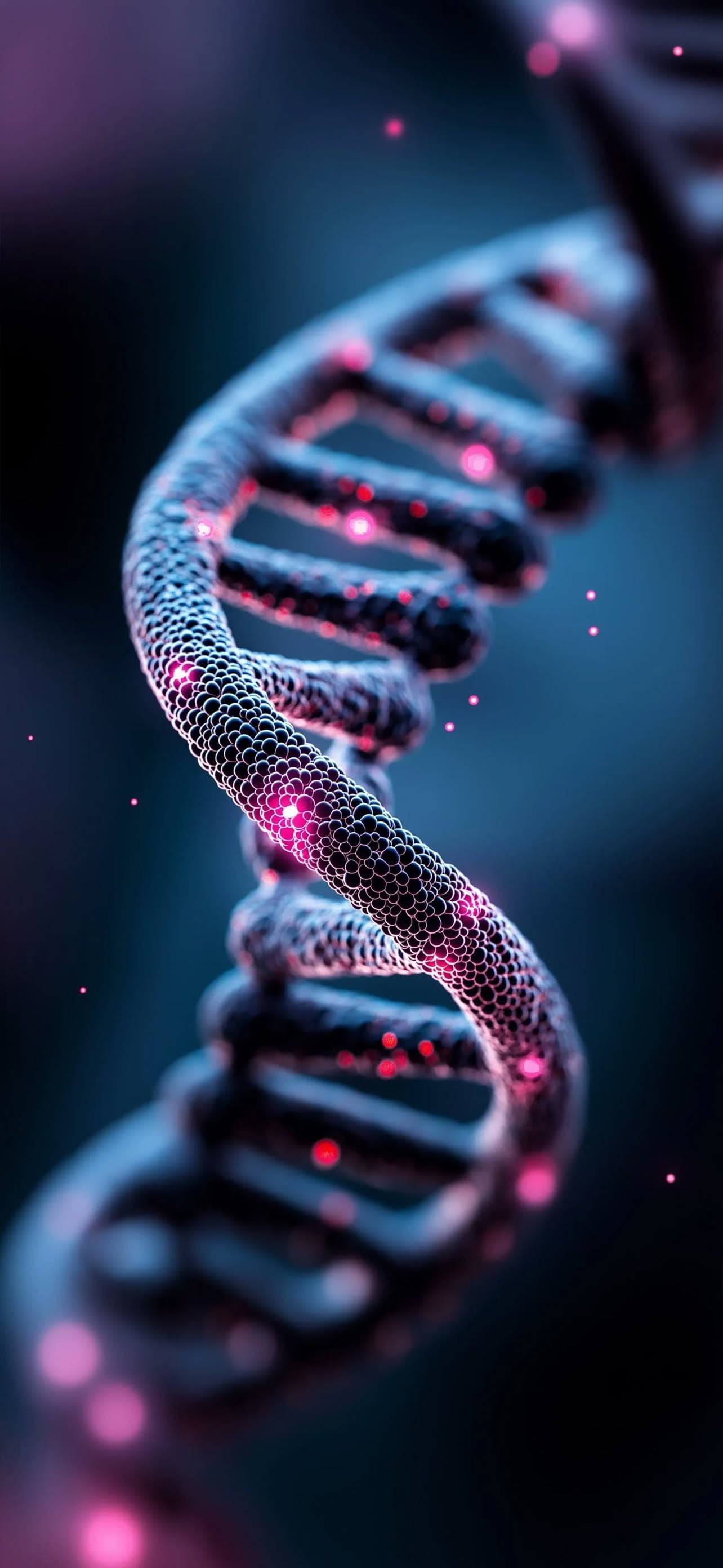
Biochemistry is often described as the “chemistry of life.” It combines principles of biology and chemistry to investigate the chemical processes that occur within living systems. At the molecular level, it helps us understand how proteins, enzymes, carbohydrates, lipids, nucleic acids, hormones, and other biomolecules interact to sustain life.
What fascinated me most was a simple but profound question: How can something as small as a molecule influence something as complex as human life?
As I progressed in my studies, that question became even more interesting. I encountered enzymes and their mechanisms, metabolic pathways, DNA replication, protein synthesis, cellular signalling, hormones, energy production, and the biochemical basis of diseases. I began to understand that processes that appear ordinary like; breathing, eating, growing, thinking, healing, and reproducing depends on a remarkably coordinated biochemical reactions.
However, studying Biochemistry has not always been easy.
There have been difficult courses, demanding laboratory practicals, complicated concepts, countless hours of reading, failed experiments, and moments of self-doubt. Yet, those challenges gradually taught me something important: science is not simply about knowing answers; it is about asking better questions and developing the discipline to search for reliable answers.
My training has also shown me that Biochemistry extends far beyond the classroom. Biochemists contribute to research and development in areas such as healthcare, pharmaceuticals, biotechnology, food science, agriculture, toxicology, nutrition, and environmental science.
This breadth is one of the reasons I continue to appreciate the field. Biochemistry gives me an opportunity to connect scientific knowledge with real-world problems. Research in molecular bioscience can contribute to understanding disease mechanisms, developing medicines, improving diagnostics, advancing biotechnology, and addressing challenges in food and environmental sustainability.
For me, becoming a Biochemist is therefore not simply about earning a degree or passing examinations. It is about developing the ability to investigate life at its molecular foundation and use that knowledge responsibly.
There are still challenges surrounding the recognition, professional positioning, and opportunities available to Biochemists in Nigeria. These realities can sometimes be discouraging. Nevertheless, I believe the relevance of Biochemistry should not be measured only by current limitations. Its value lies in what scientific knowledge can make possible when properly supported, applied, and connected to innovation.
Today, I see my choice differently from when I first made it.
I chose Biochemistry because I wanted to understand life. Along the way, I discovered that understanding life also comes with a responsibility to contribute to solutions that can make life better.
My journey is still unfolding. I do not have every answer, and I am still learning, questioning, experimenting, and growing.
But I know why I continue.
I chose Biochemistry because I want to understand the molecular language of life and eventually use that understanding to create meaningful impact.
To every student questioning whether their chosen field will lead somewhere meaningful: keep learning. Keep asking questions. Keep exploring.
Sometimes, the purpose of a journey becomes clearer only after you have walked far enough to understand where the path is leading.
This is my journey in Biochemistry. And I am still becoming the scientist I hope to be.
No comments yet. Sign in to join the discussion.