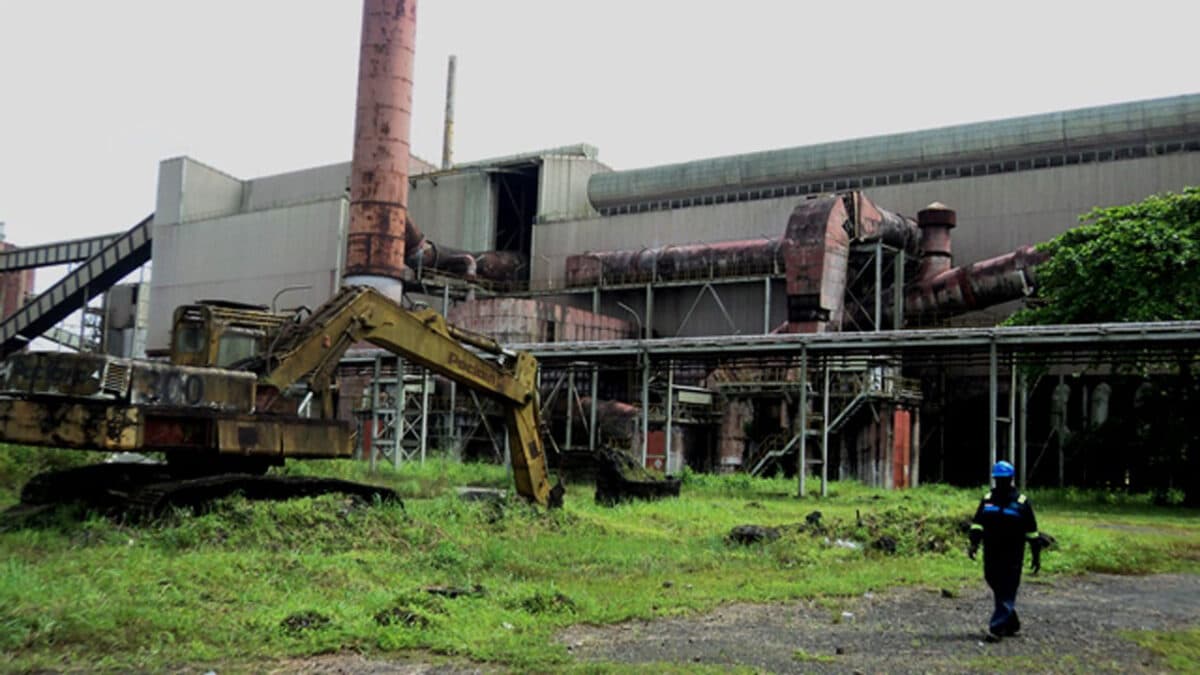
Since 1963, when Nigeria gained the republican status, they have been a major critic on the oil mono-economy. However, many do not realize that there have always been a sickening attempt made by the country at industrialization.
It may interest you to note that Nigeria has poured between $8 billion and $10 billion into the Ajaokuta Steel Complex in Kogi State since construction began in 1979 under President Shehu Shagari. And nearly five decades later, the sprawling plant has yet to produce steel on any meaningful commercial scale. Workers continue to draw salaries, recent budgets keep funneling money into personnel costs, and the federal government is once again trying to bring the facility to life.
The project was originally awarded to the Soviet contractor Tyazhpromexport, known as TPE. And by 1994 the complex had reached about 98 percent mechanical completion, with 40 of its 43 major units installed.
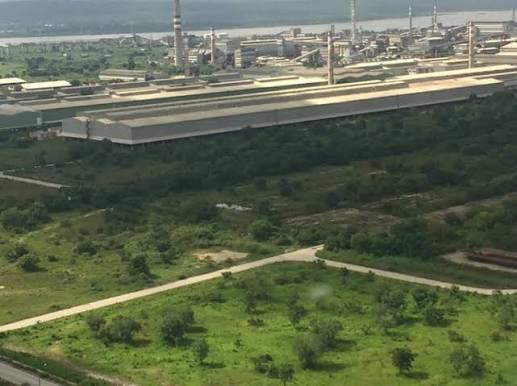
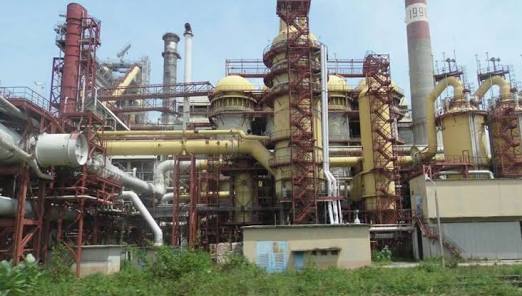
It was designed as an integrated plant using blast furnace and basic oxygen furnace technology, with a first-phase capacity of 1.3 million tonnes of steel a year and potential to expand far higher.
Yet missing infrastructure, unreliable power and gas supplies, incomplete raw-material transport links, and repeated changes in political direction left the furnaces cold.
Budget records show the pattern clearly.
Between 2016 and 2024 the federal government allocated roughly ₦42 billion to Ajaokuta. The large majority of that money, around 80 percent or more, went to staff salaries and related personnel costs even though the plant generated no commercial steel.
The begging question is: who was actually paid?
In the 2026 Appropriation Bill the complex received ₦6.69 billion. Of that sum, about ₦6.04 billion, or roughly 90 percent, is earmarked for salaries, allowances, pensions and other staff expenses. Capital spending remains minimal.
Nigeria continues to import most of the steel it consumes, at a cost measured in billions of dollars each year. Successive administrations have described Ajaokuta as critical to industrialisation and import substitution, yet the plant has remained a costly idle asset.
An estimates of the additional funds needed to restart operations have ranged from $2 billion to $5 billion, depending on the scope of work required. Under President Bola Tinubu the government has taken new steps.
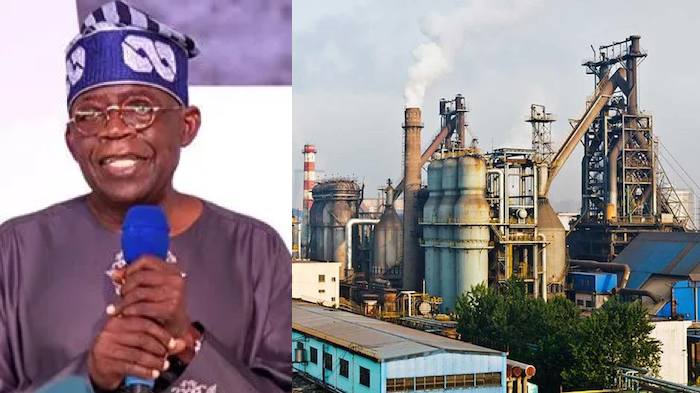
In July 2026 the Nigerian National Petroleum Company Limited signed a 20-year gas supply agreement with Ajaokuta Steel Company Limited. The deal provides 3 million standard cubic feet of gas per day on a firm basis and up to 47 million standard cubic feet on an interruptible basis, giving the complex a potential total of around 50 million standard cubic feet daily to power its operations.
Officials have also signalled a preference for public-private partnerships rather than outright privatisation, seeking operators who can finance and run the facility over a 10-to-15-year term while returning value to the state.
The administration has set a national target of 10 million tonnes of liquid steel production a year by 2030. Ajaokuta is viewed as central to that goal and to the creation of hundreds of thousands of jobs. Technical assessments shared by the plant’s management suggest the blast furnaces could return to service within six to seven months once utilities are secured, with the wider complex following over two to three years.
Whether this latest effort will succeed where earlier attempts failed remains an open question. The gas agreement removes one long-standing technical obstacle. Sustained political will, credible private partners, and reliable supporting infrastructure will determine if the complex finally moves from budget line item to working steel producer. For now Ajaokuta continues to stand as both a symbol of unfinished industrial ambition and a reminder of the high cost of delay.
Oluwaferanmi. I Adebayo.

No comments yet. Sign in to join the discussion.